A peek into the unknown
Since the early days of photography, efforts have been made to take cameras beneath the waves in order to convey the magical world of the sea to a wider audience among whom are those who do not scuba dive.
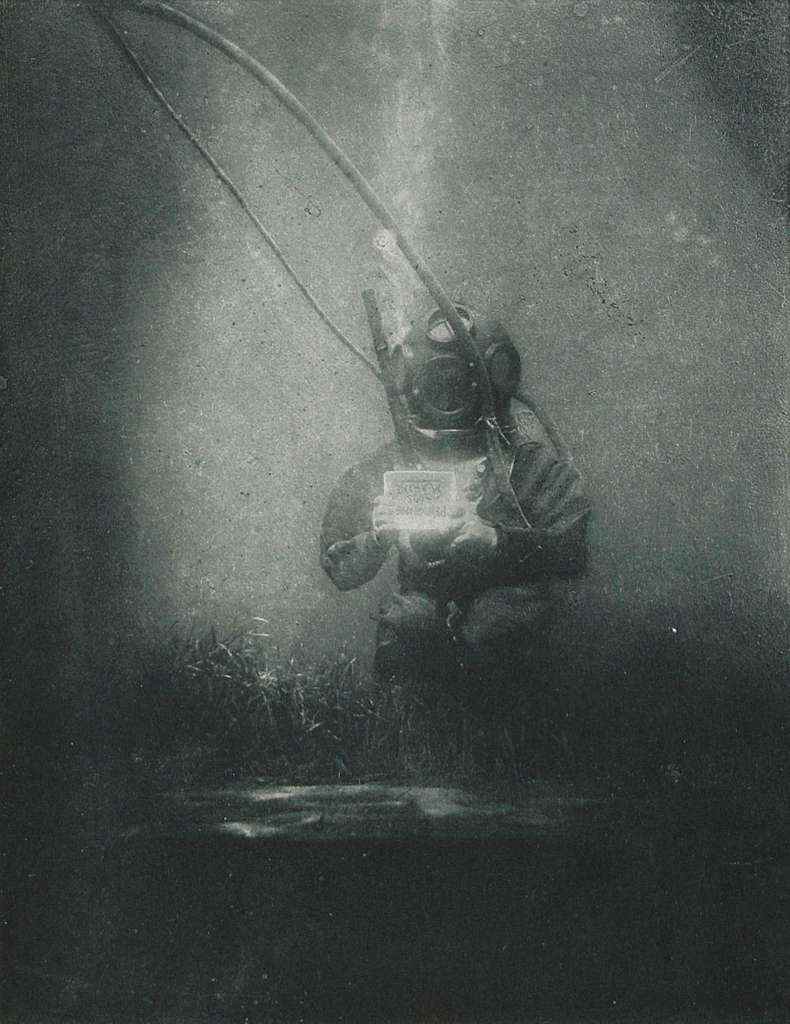
The best-known early underwater photograph is likely a portrait taken in 1899 by the French biologist Louis Boutan (1859–1934) of his colleague Emil Racoviță (1868–1947) dressed in a heavy diving suit. However, the image was not the first of Boutan’s own underwater photographs, and as early as 1856, the Briton William Thompson (1822–1879) had lowered his camera to capture an underwater scene at a depth of 18 feet. The result, however, can be described as more artistic than documentary, leaving much to the viewer’s imagination.
In the field of moving images, the pioneer of imaging technology, Étienne-Jules Marey (1830–1904), recorded the graceful movement of a ray (Locomotion aquatique, étude séquentielle des mouvements de nage de la raie, 1892). He used chronophotography, where the impression of movement is created through a series of consecutive photographs. John Ernest Williamson (1881–1966) in turn developed the so-called photosphere for underwater filming and produced what is regarded as the first underwater film, Thirty Leagues Under the Sea, or Terrors of the Deep (1914). Jacques-Yves Cousteau, propelled by his innovations in diving equipment, took underwater filming to a new level and brought the colours of the sea to cinema screens in the 1950s with his popular documentary films.
Each pioneer of underwater imaging had to contend with the challenges posed by the new environment. Darkness, pressure and, above all, the water itself imposed entirely different demands on the equipment and operators compared with working on dry land.
Photos:
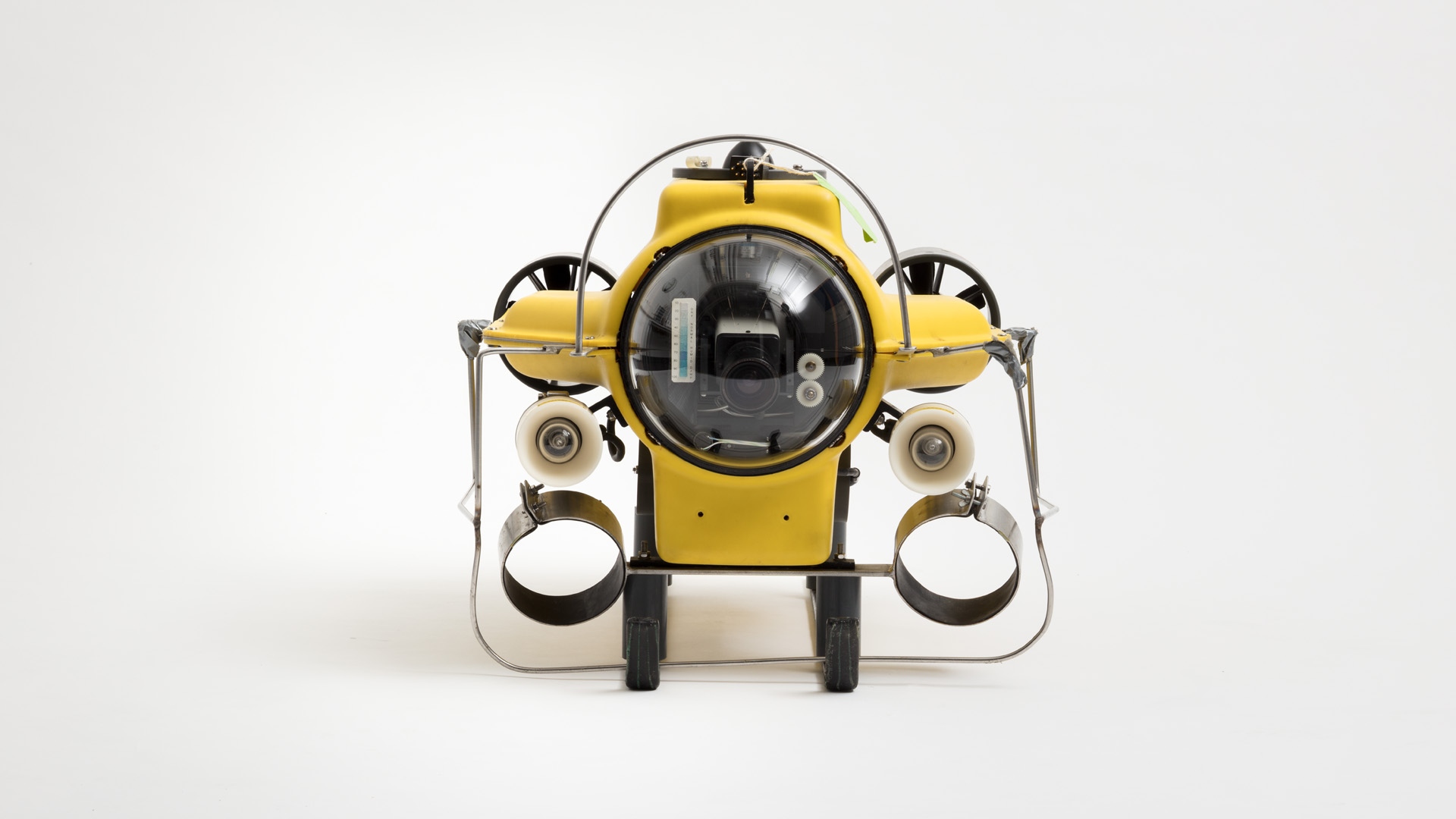
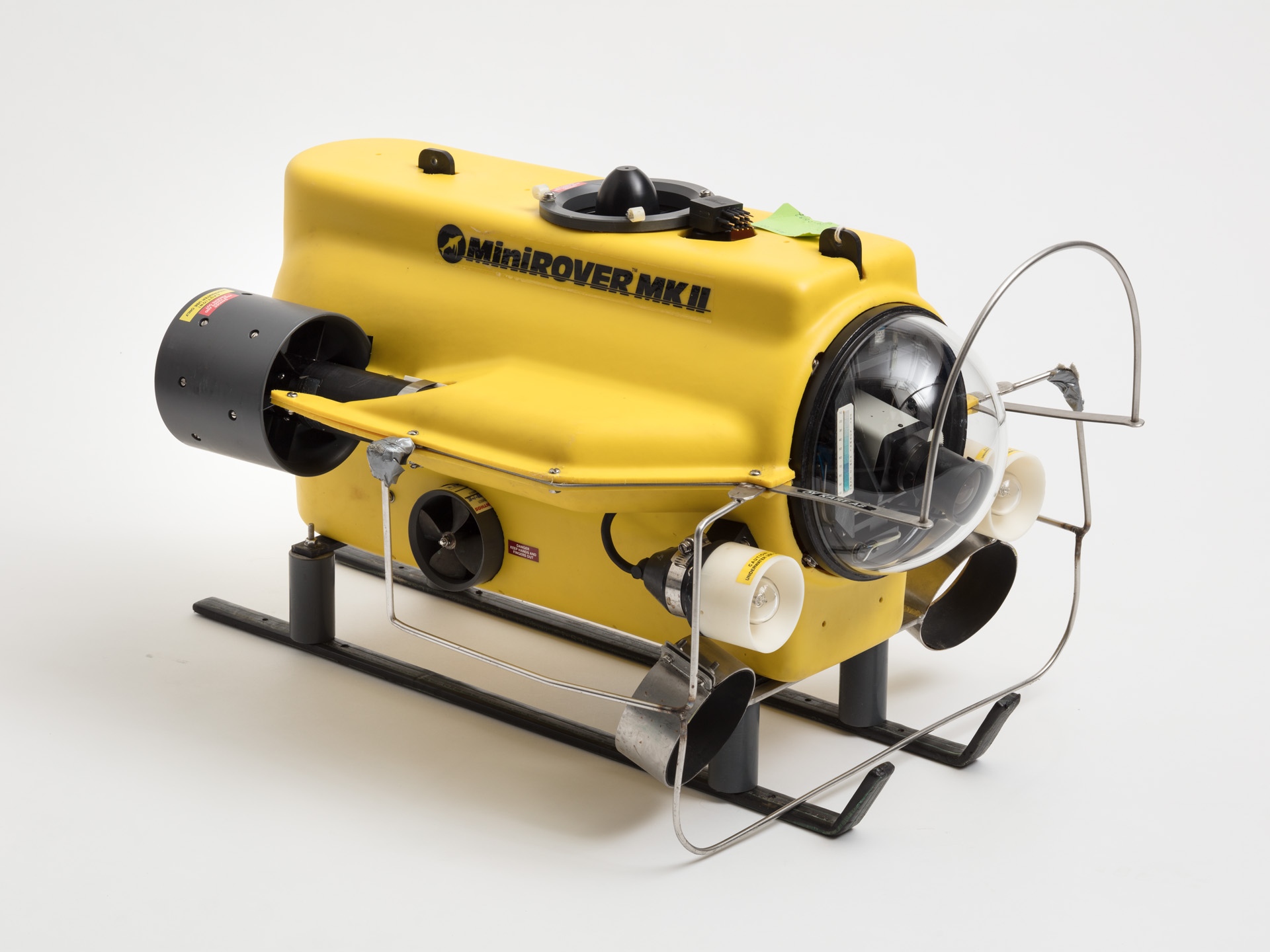
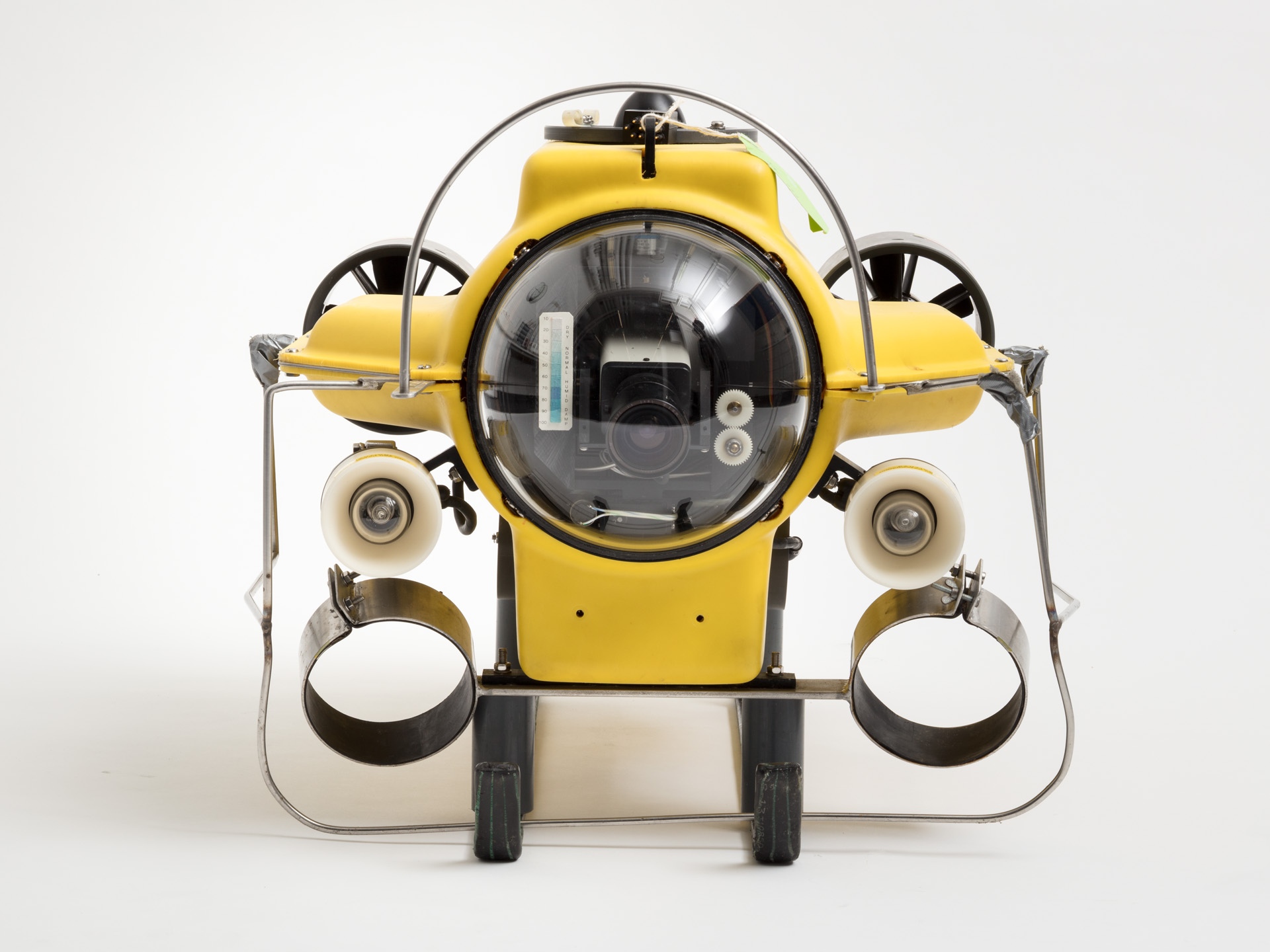
Mini Rover MK II from the collections of the Finnish Maritime Museum. Photo: Ilari Järvinen, Finnish Heritage Agency.
Subsurface assistants
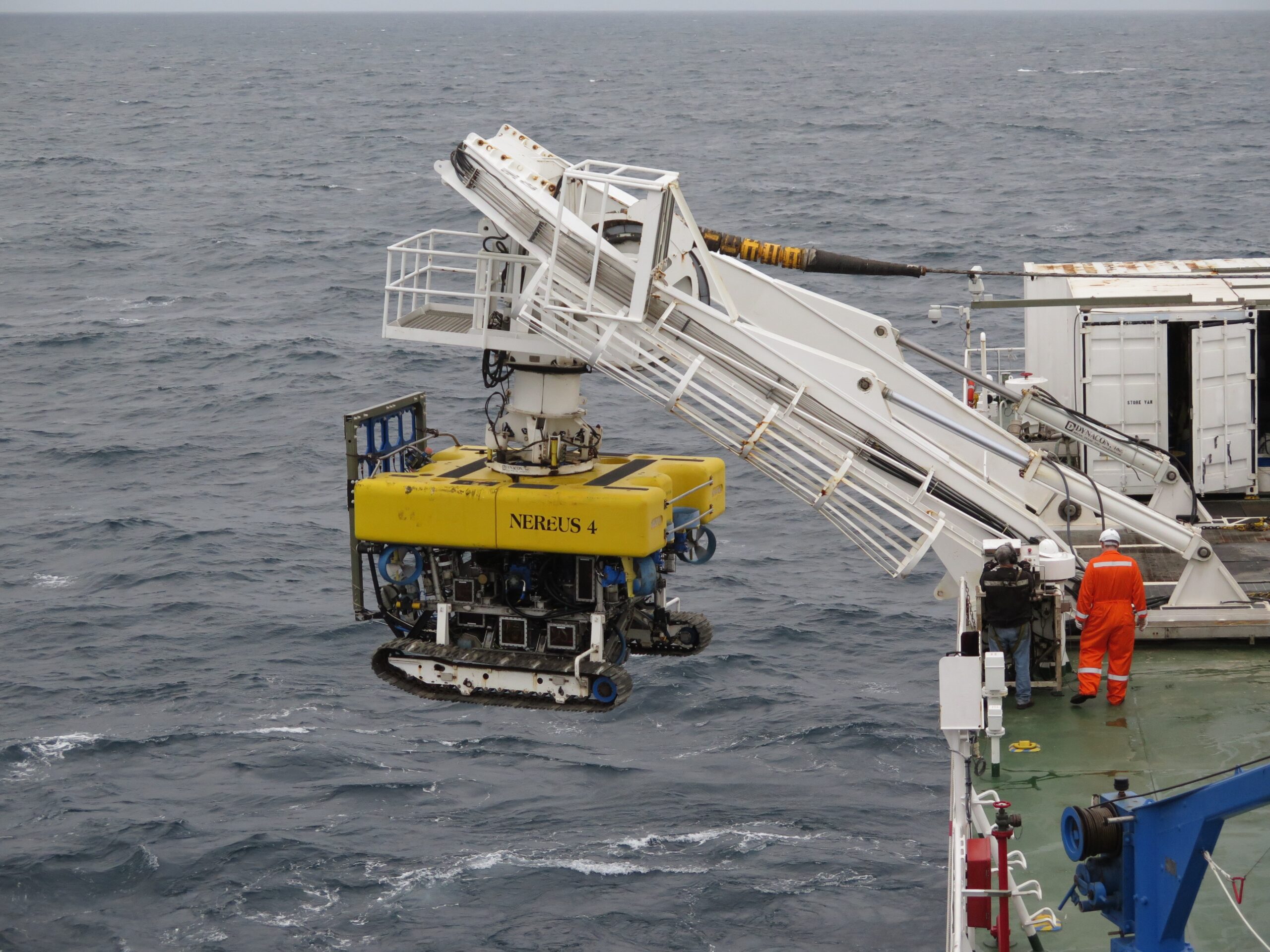
The first unmanned remotely operated vehicles (ROVs) for underwater exploration were developed as early as the 1950s, and they soon became indispensable tools for research and other underwater work, taking cameras to depths beyond the reach of divers. Today, ROVs that are specialised for carrying out various tasks assist humans safely with seabed mapping, search operations, sample collection, installation of subsea cables and even sea mine clearance. However, it took time for the technology to mature to a level that enabled the widespread use of underwater ROVs.
When it entered the market in 1984, the compact Mini Rover represented a new stage in the development of underwater ROVs that are used particularly for visual observation. It was the first affordable miniature ROV. Affordability is relative, of course, as the Mini Rover still costs as much as a high-end sports car. The alternatives, however, cost several times more. Due to its compact size (length of approximately 66 cm and a weight about 25 kg), it provided access to increasingly confined spaces and, therefore, could be used for the safe exploration of tunnels or shipwrecks, for example. Likewise, outside the aquatic environment: The Mini Rover could be transported on scheduled flights as ordinary luggage. Although the device was not designed for great depths, its versatility and cost-effectiveness quickly made it a popular tool for various underwater tasks requiring ‘eyes beneath the surface’. More recently, devices have become even smaller, and the smallest micro-ROVs weigh only a few kilograms and can easily fit into a backpack.
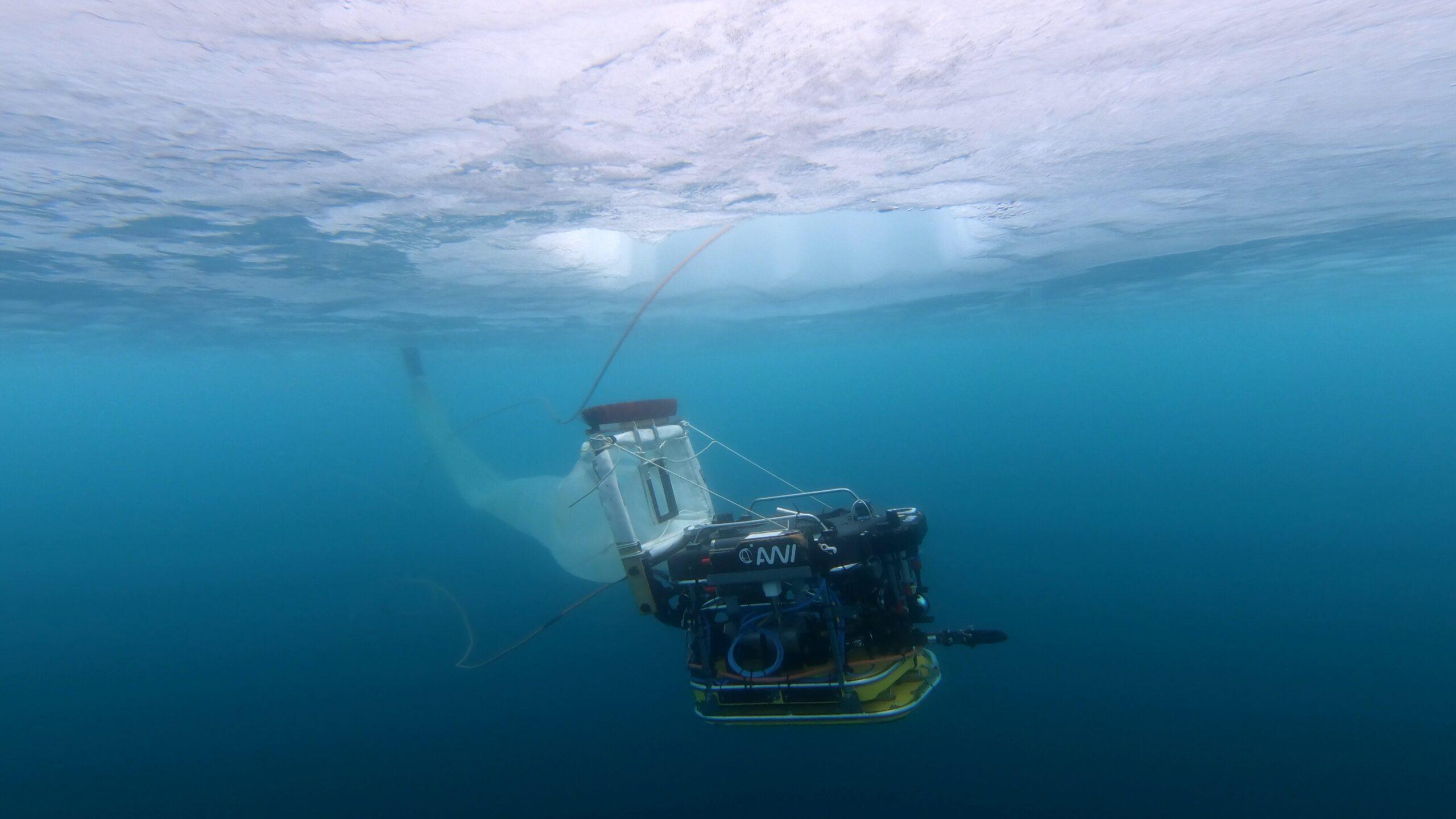
Unlike modern airborne drones, small underwater ROVs remain connected to their surface unit by a cable that transmits power, commands and data. To those accustomed to wireless technology, this may appear strange and old-fashioned, but there are sound practical reasons for the solution. Water, especially saltwater, effectively blocks wireless signals. Secondly, a cable that continuously supplies power does not limit the device’s operating time in the way rechargeable batteries do. In an emergency, a jammed device can also be freed by using the cable as a tow line.
In addition to its many roles in underwater exploration, the versatile Mini Rover has also been widely used in more entertainment contexts, such as providing footage for documentary films. The Mini Rover’s considerable popularity is also reflected in its appearance on the other side of the camera. As a reflection of its time, it was used to represent advanced diving technology in James Cameron’s film The Abyss (1989), in which the ROV features prominently. The endearing device even made it into the film’s credits under the role name ‘Little Geek’.
Photos:
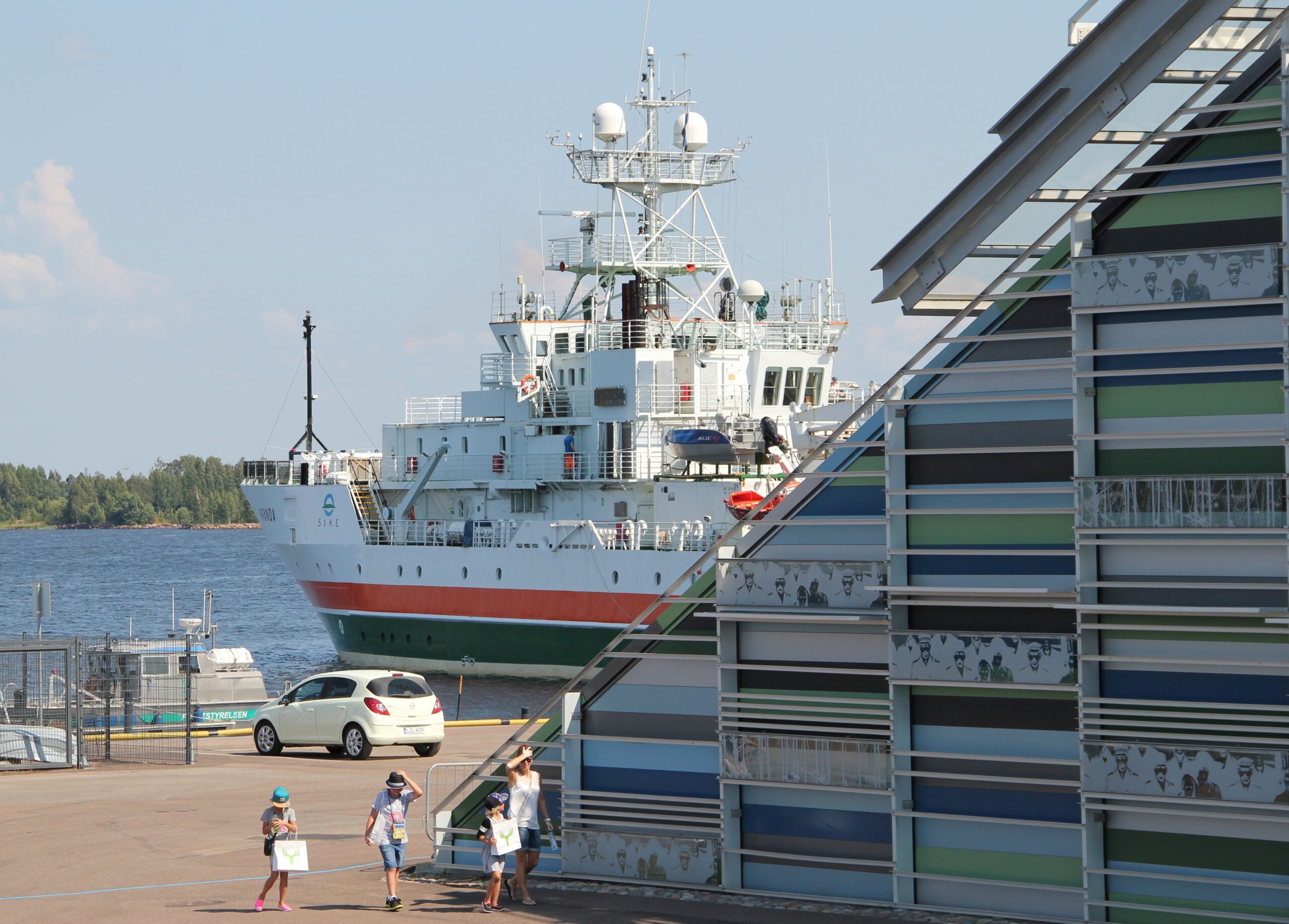
1. MTA Aranda at the Maritime Centre Vellamo pier in Kotka. Photo: Johanna Aartomaa.
2. Emil Racoviță holding a sign reading “Photographie Sous-Marine” (which translates to “Underwater Photography”). Photo: Louis Boutan 1899. Bibliothèque nationale de France
3. A tracked seabed ROV being lowered into the water. Photo: The Official CTBTO Photostream(ulkoinen linkki) (licence(ulkoinen linkki))
4. ROV equipped with a plankton net. Photo: Evgenii Salganik (licence(ulkoinen linkki))
Marine research on deck and below the keel
In Finland, the importance of securing state support for marine scientific research was recognised from the time of its independence, and before the establishment of the Finnish Institute of Marine Research in 1918, systematic ‘hydrographic-biological’ marine research and international cooperation was carried out in Finland under the auspices of the Finnish Society of Sciences and Letters. Finland was one of the founding members of the International Council for the Exploration of the Sea (ICES) in 1902 and deemed an equal participant among the member states, even though it was not yet an independent country. According to the decree establishing the Finnish Institute of Marine Research, its duties included “conducting and promoting scientific research on the general state of the seas surrounding Finland, their physical and chemical properties, water levels, currents and ice conditions as well as related issues, and representing Finland in international cooperation in this field”.
Through its diverse research and expert functions, the Finnish Institute of Marine Research played a key role scientifically, environmentally and in terms of practical navigation. In addition to physical oceanography, marine biology and chemistry, important areas of responsibility in northern latitudes included monitoring and reporting on sea ice conditions and ice research.
In parallel with the international organisation of marine research, Finnish marine researchers gained access as early as 1903 to the steamship Nautilus, which served as an important scientific platform and research environment. In the summer of 1939, the fleet of the Finnish Institute of Marine Research was renewed, and since then, all its research vessels have sailed under the name Aranda.
The latest Aranda was transferred to the Finnish Environment Institute in 2009 after the Finnish Institute of Marine Research was dissolved and its functions divided between the Finnish Environment Institute and the Finnish Meteorological Institute. The original equipment of the research vessel Aranda also included the Mini Rover MK II underwater robot. In 2024, the Finnish Environment Institute donated the still operational ROV to the collections of the Maritime Museum of Finland, where it forms part of a considerably older collection illustrating the history of Finnish marine research.
The bright yellow underwater assistant will also be featured in an exhibition opening at the Maritime Museum in late 2026, which will be the first part of a new main exhibition consisting of five independent exhibitions. The exhibition themes include marine research as part of the Maritime Museum’s commitment to the goals of the UN Decade of Ocean Science.
Timo Kunttu
Further information
Poutanen, Eeva-Liisa ja Leppänen, Juha-Markku (eds.) 2021. Nautiluksesta Arandaan: suomalaisen merentutkimuksen tarina (“From Nautilus to Aranda: the story of Finnish marine research”). John Nurminen Foundation.
National Implementation Plan for the UN Decade of Ocean Science:
https://urn.fi/URN:ISBN:978-952-383-353-1(ulkoinen linkki)