The History of the National Museum of Finland
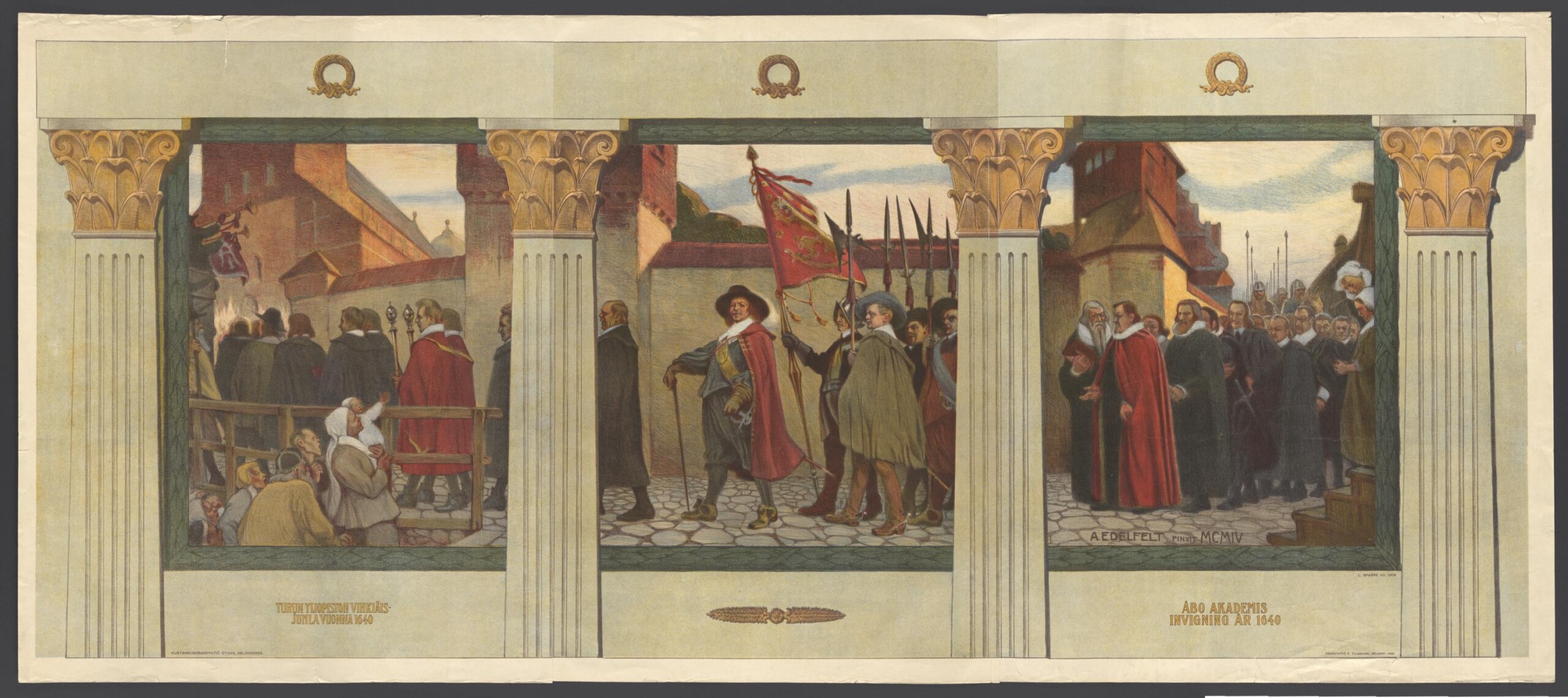
The origins of the National Museum of Finland date back to the eighteenth century, when historical collections began to be assembled at the Royal Academy of Turku. The numismatic material that survived the Great Fire of Turku was transferred to the University of Helsinki in 1828, where the collections expanded through archaeological discoveries, research activities, and donations. By the mid-nineteenth century, the university had amassed extensive historical, archaeological, and ethnographic collections that came to be regarded as the foundation of a future national museum.
National Awakening and the Birth of the Museum
The growth of the collections took place during a period when Finland was seeking its place in the world and developing its own national identity. As national awakening gained momentum, interest in Finnish history, folk culture, language, and traditions increased. Museum collections were seen as a means of preserving the past and making it visible to future generations.
The idea of a national museum began to take shape during the 1850s and 1860s. In addition to the university’s collections, the Finnish Antiquarian Society and student nations also gathered material for a future national museum. Particular emphasis was placed on collecting artefacts relating to Finnish rural culture, archaeological finds, and historical objects as part of safeguarding the nation’s cultural heritage.
In 1887, the University of Helsinki proposed that the state assume responsibility for the collections and construct a dedicated museum building for them. The collections were transferred to state administration in 1893, and the growing institution gradually became known as the State Historical Museum. At the same time, preparations began for the construction of a new museum building.
After extensive planning, a site for the museum was chosen in the Töölö district of Helsinki. The architectural competition held in 1902 was won by Herman Gesellius, Armas Lindgren, and Eliel Saarinen. Construction began in 1905, and the history and ethnography exhibitions opened to the public in January 1916. That same year, the institution officially became the National Museum of Finland. The prehistoric exhibition was completed in 1920, and the Coin and Medal Cabinet opened in 1927.
From a National Museum to a Nationwide Museum Organisation
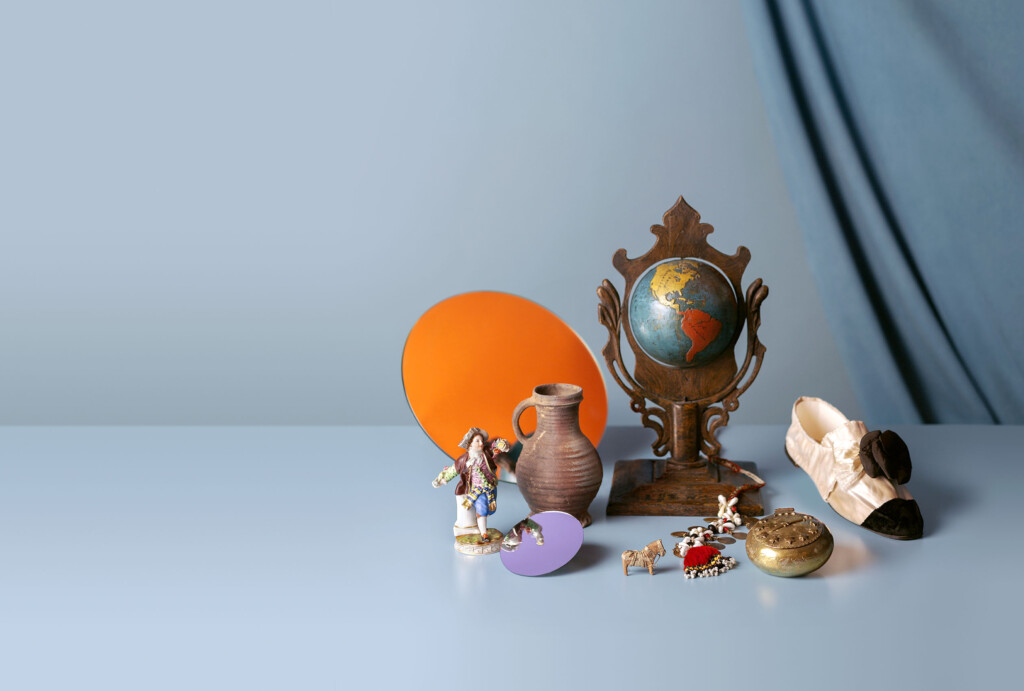
Over the decades, the National Museum of Finland evolved from a single museum building into a nationwide museum organisation. Its responsibilities expanded from collection management to research, exhibitions, cultural heritage documentation, and public engagement. At the same time, new museums, castles, manor houses, and historic sites across Finland became part of the organisation.
Today, the National Museum of Finland is the national museum of cultural history and is responsible for Finland’s largest and oldest collections of cultural-historical heritage. These collections document both the history and cultures of the geographical area that is now Finland and cultures from around the world. The museum also continuously documents contemporary life and phenomena for future generations.
Today, the National Museum of Finland collects, studies, preserves, and promotes cultural heritage while acting as an active participant in public discussion in Finnish society. Its mission is to be present wherever futures are being shaped. In doing so, it continues a task that began more than 250 years ago: preserving, understanding, and passing on the past to future generations.
Museums and Castles
The museum sites of the National Museum of Finland include the National Museum, Seurasaari Open-Air Museum, the Maritime Museum of Finland, Louhisaari Manor Castle, Olavinlinna Castle, Häme Castle, Tamminiemi, Hvitträsk, the Langinkoski Imperial Fishing Lodge, and the Prison Museum in Hämeenlinna. Through these sites, the National Museum of Finland tells stories spanning from prehistory to the present day and from local phenomena to international connections. In addition, the permanent exhibitions of eight museums across Finland are based on the collections of the National Museum of Finland.
Our exhibitions and events programme
Through its exhibitions and events programme, the National Museum of Finland fosters understanding of diverse cultures and historical themes while exploring Finnish identity and its relationship with the wider world from contemporary perspectives. The programme addresses cultural heritage and history in a broad sense, spanning from prehistory to the present day and from Finnish topics to global issues.