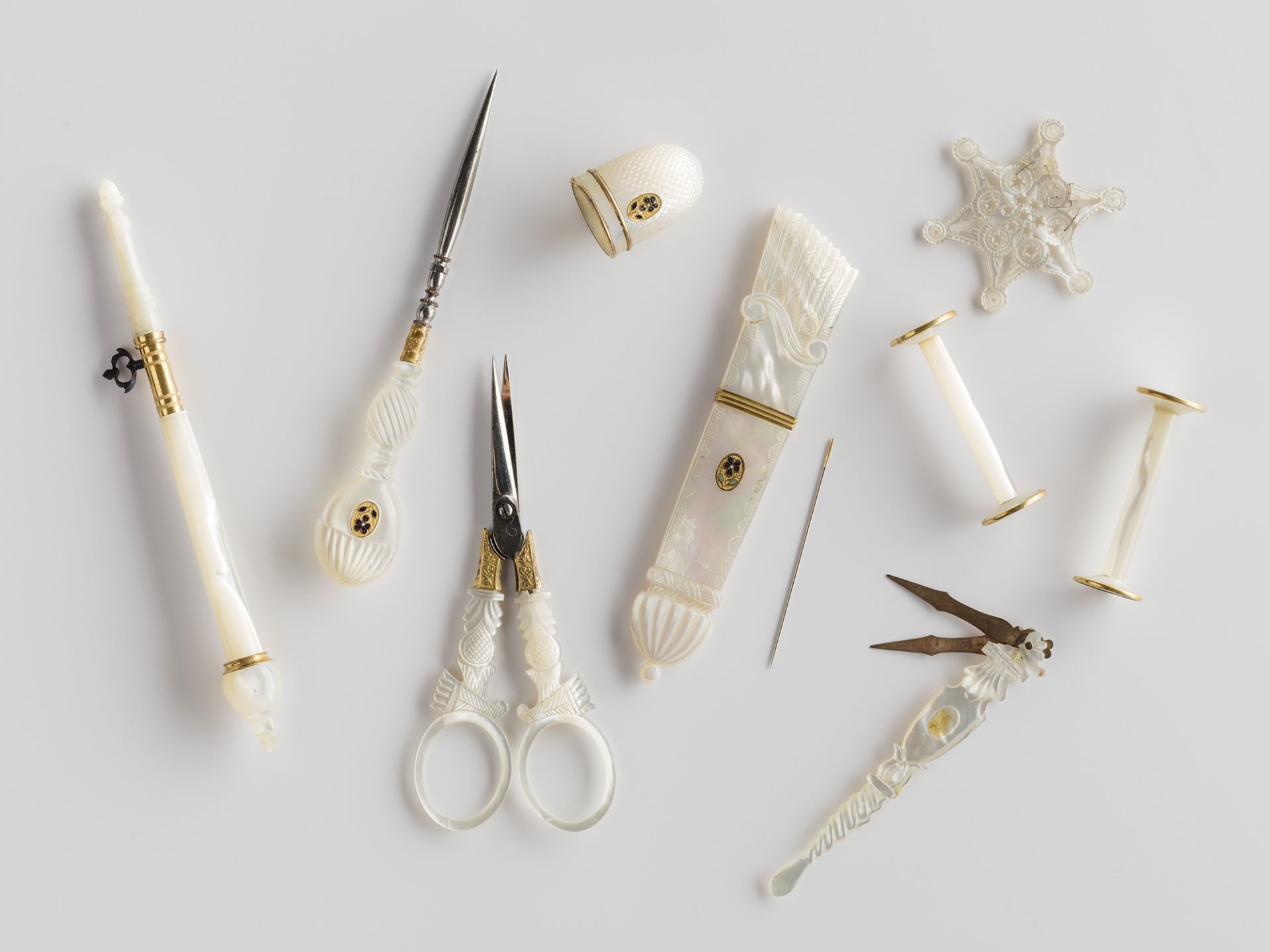
The collections of the National Museum of Finland have been assembled since the late 18th century. Since the museum opened in 1916, the collections have been systematically expanded. Today, they comprise numismatic, historical, ethnographic, post-independence, ethnological and Finno-Ugric collections, as well as the collections of the Finnish Maritime Museum, music collections, prison collections and collections of architectural fragments. Together, they form Finland’s most extensive cultural-historical collections, comprising some 590,000 objects. The National Museum of Finland documents Finland’s state history, as well as historically and culturally significant turning points of national importance and the related materials and phenomena.
The National Museum of Finland’s collection activities, including its policies, acquisition, conservation and research, are guided by its collection strategy.

Historical collections
The 138,000 objects in the historical collections describe the material culture of Finns and Finnish history from the Middle Ages..
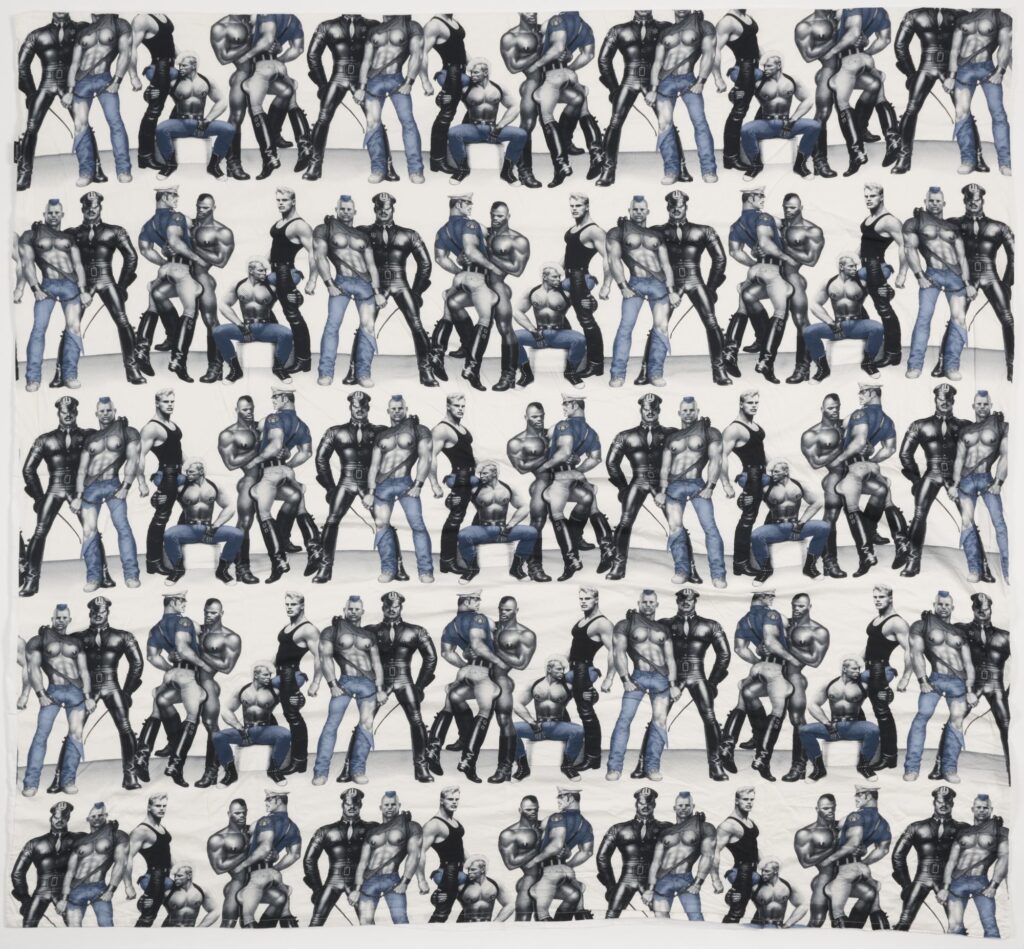
Independence era collection
We record the phenomena, turning points and cultural diversity of the independence era in Finland
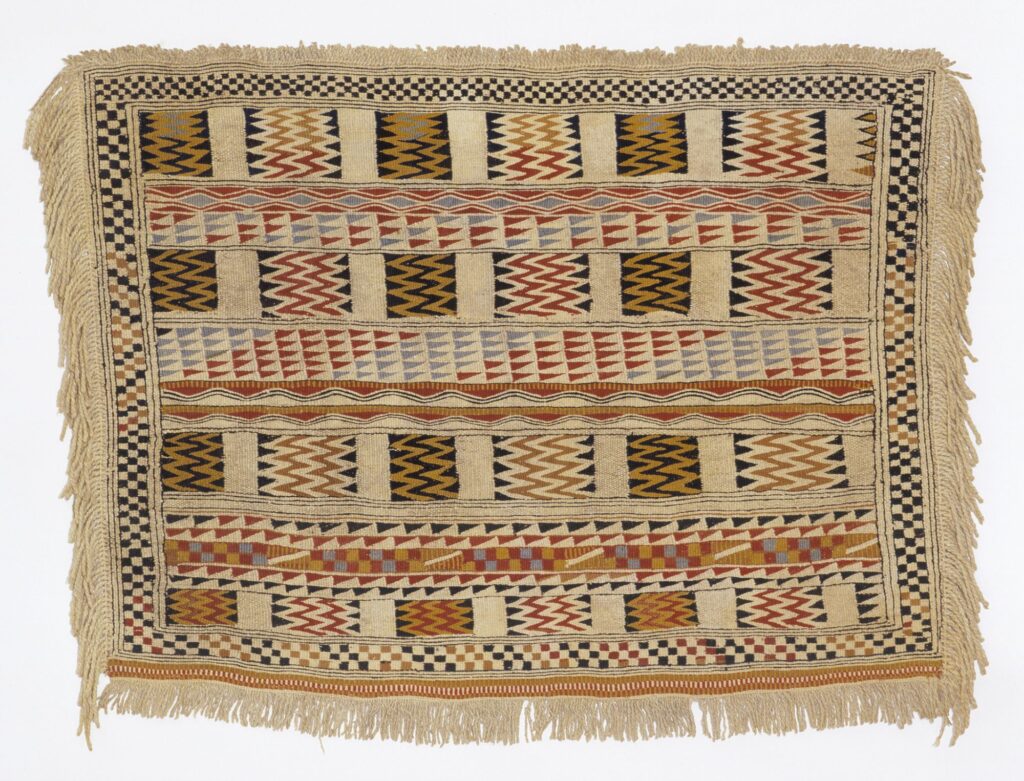
Ethnographic collections
40,000 artefacts from every continent
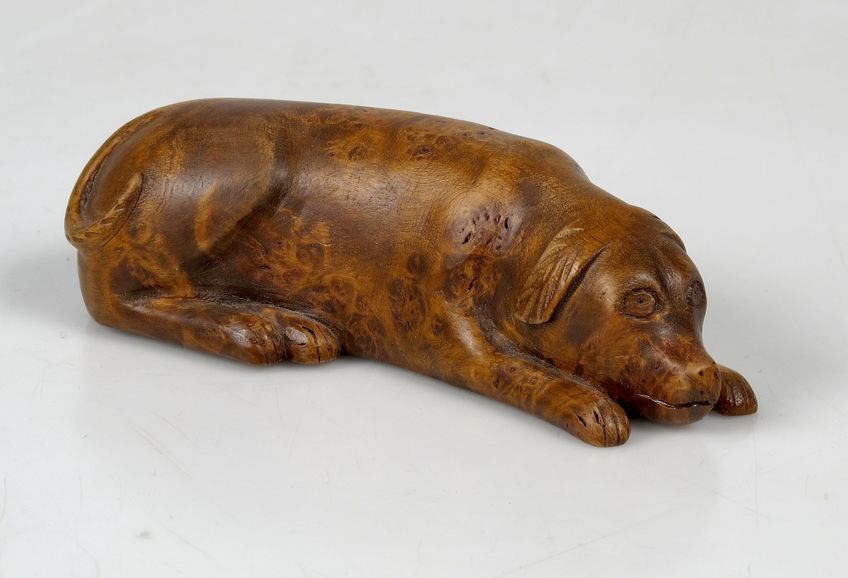
Ethnological collections
The ethnological collections describe Finnish popular culture from the 16th century to modern times.
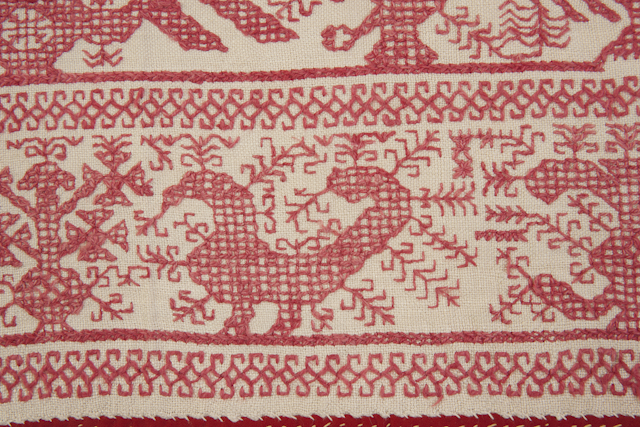
Finno-Ugric collections
Material cultural heritage of Finnish-speakers’ linguistic relatives spanning almost 200 years
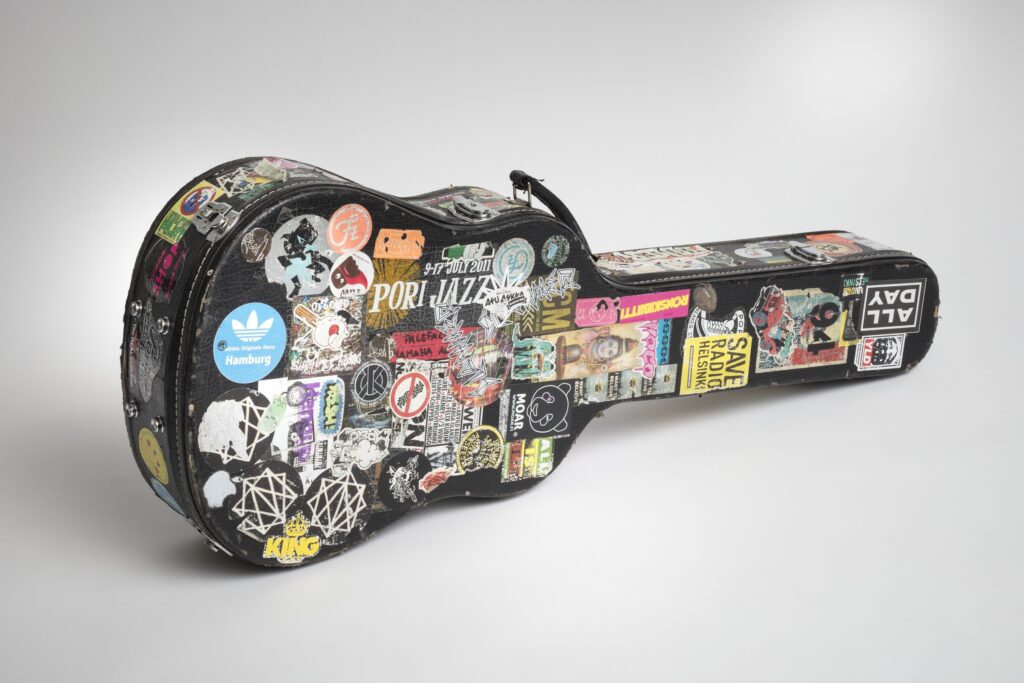
Music collection
The National Museum’s music collection stores material related to Finnish music. The collection involves important Finnish musicians and performers, Finnish..
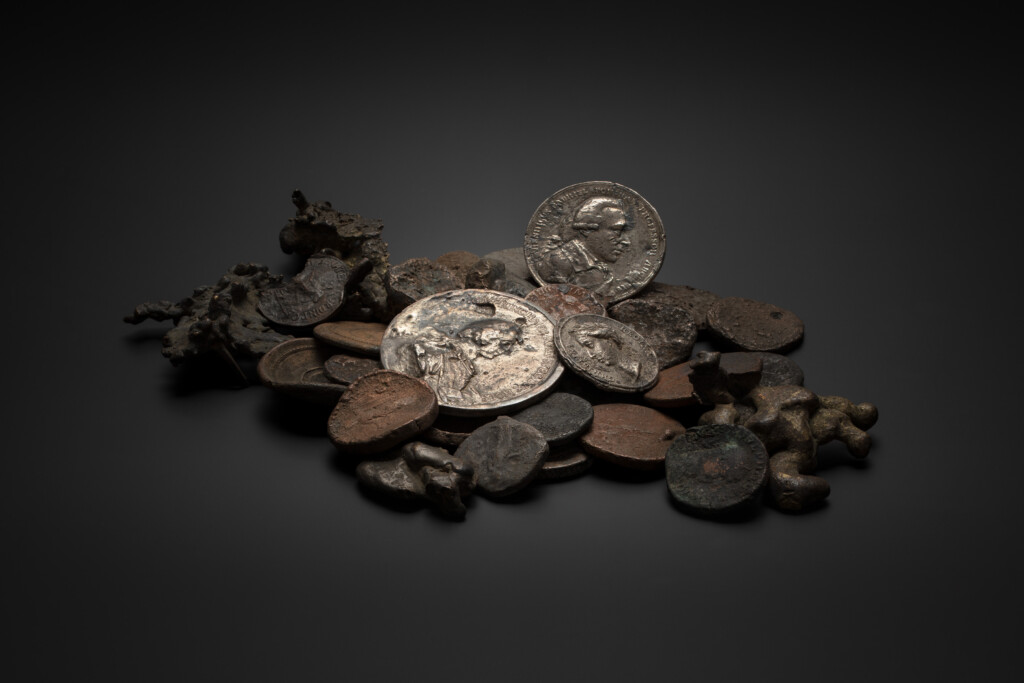
Numismatic collections
The most extensive numismatic collection in Finland
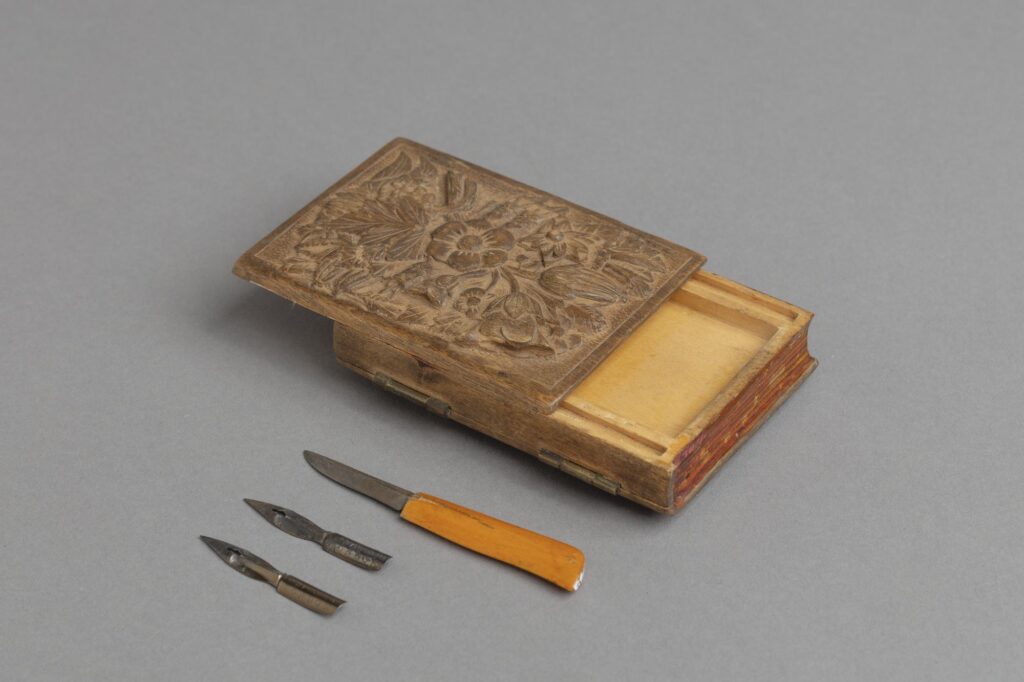
Prison collection
The history of the Finnish prison service and its administration

Collections of the Maritime Museum
The history and present day of Finnish seafaring and maritime operations.