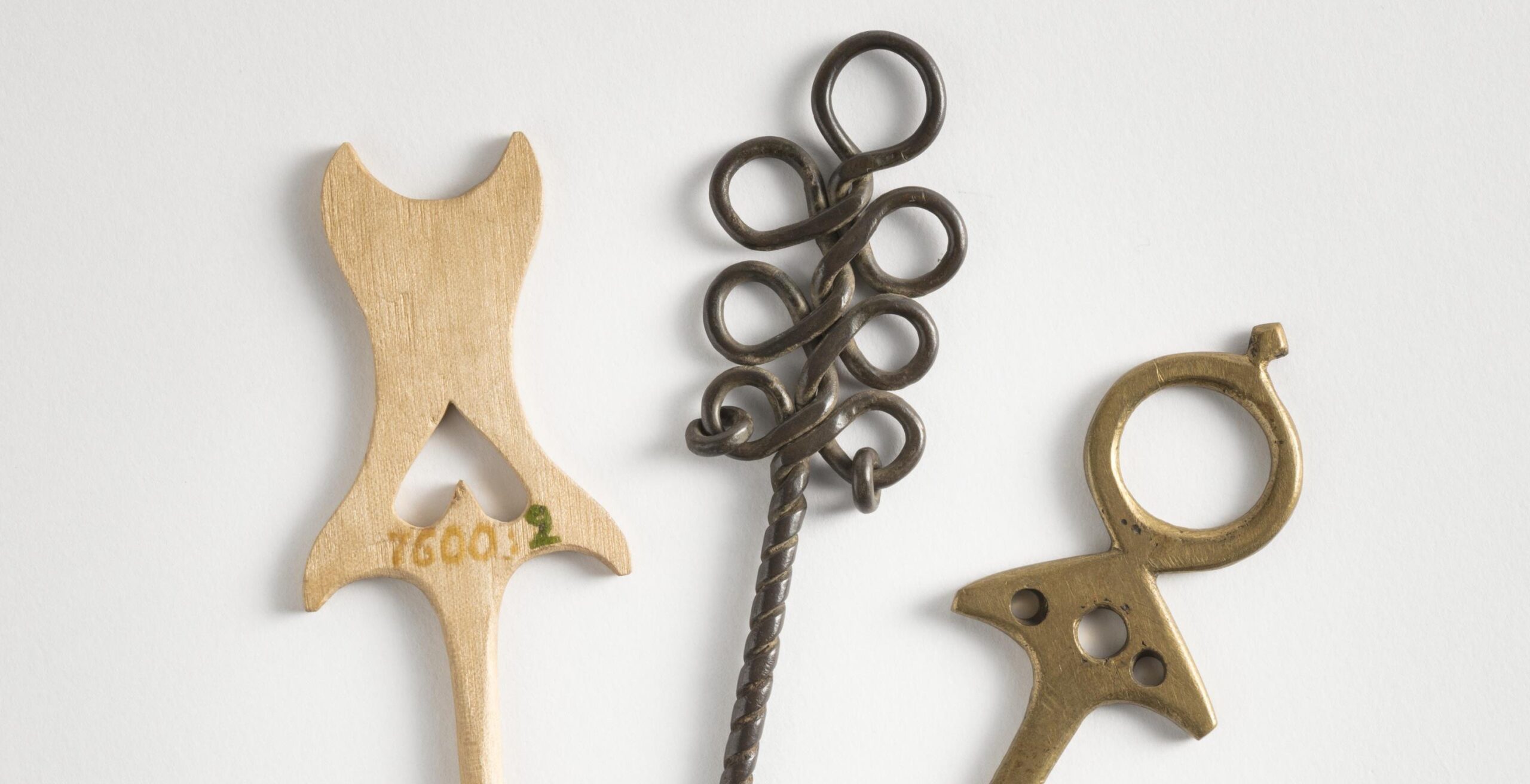
February’s artefacts of the month are three alphabet sticks. The stick helped the reader, who was just learning their letters, stay on the right text row.
Learning to read letter by letter
JUHANI. It is impossible to learn to read.
AAPO. This is something people have done before.
TUOMAS. This will make a man sweat.
JUHANI. And pant. I have such a hard head!
AAPO. But when there is a will, there is a way. Let us put our heads together, and get ourselves ABC books from Hämeenlinna, and go to the parish clerk’s class, as our dean commands. Let us do that before the long arm of the crown catches us.
JUHANI. I am afraid that this is what must be done. God have mercy on us! But this is enough for today, let us go to bed; this is tomorrow’s business. (Seitsemän veljestä, “The Brothers Seven”).
February’s artefacts of the month are three alphabet sticks. An alphabet stick is a tool that a person who is learning to read can use to point at different letters. The stick helps you stay on the right row of text when learning to read. Other names for the alphabet stick (aapistikku) include reading stick (lukutikku), spelling stick (tavauspännä) and letter stick (älläntikku/ällästikku).
The alphabet sticks are part of the ethnographic collections of the National Museum of Finland. The wooden stick was acquired by the museum in 1933 from Ylihärmä. The stick is unused and made according to an old model. The copper alphabet stick was found in a field in Perniö, in the village of Lupaja and was acquired by the museum in 1899. The copper alphabet stick is from Laihia and was added to the museum’s collection in 1908. No information on the manufacturer or user of any of the sticks survives.
The seven brothers in Aleksis Kivi’s book of the same name also took up the alphabet stick. Their learning path was rocky, and women from the neighbouring houses were already being suggested to help them: JUHANI. […] Imagine the old wife Männistö or Venla using our alphabet stick! That would have all the pigs in Toukola laughing. You heard it, we were threatened with the stocks, the gallows of shame. Blast it! Cannot a man live in peace and as he wills, not even when he is not in someone else’s way or violating their rights?
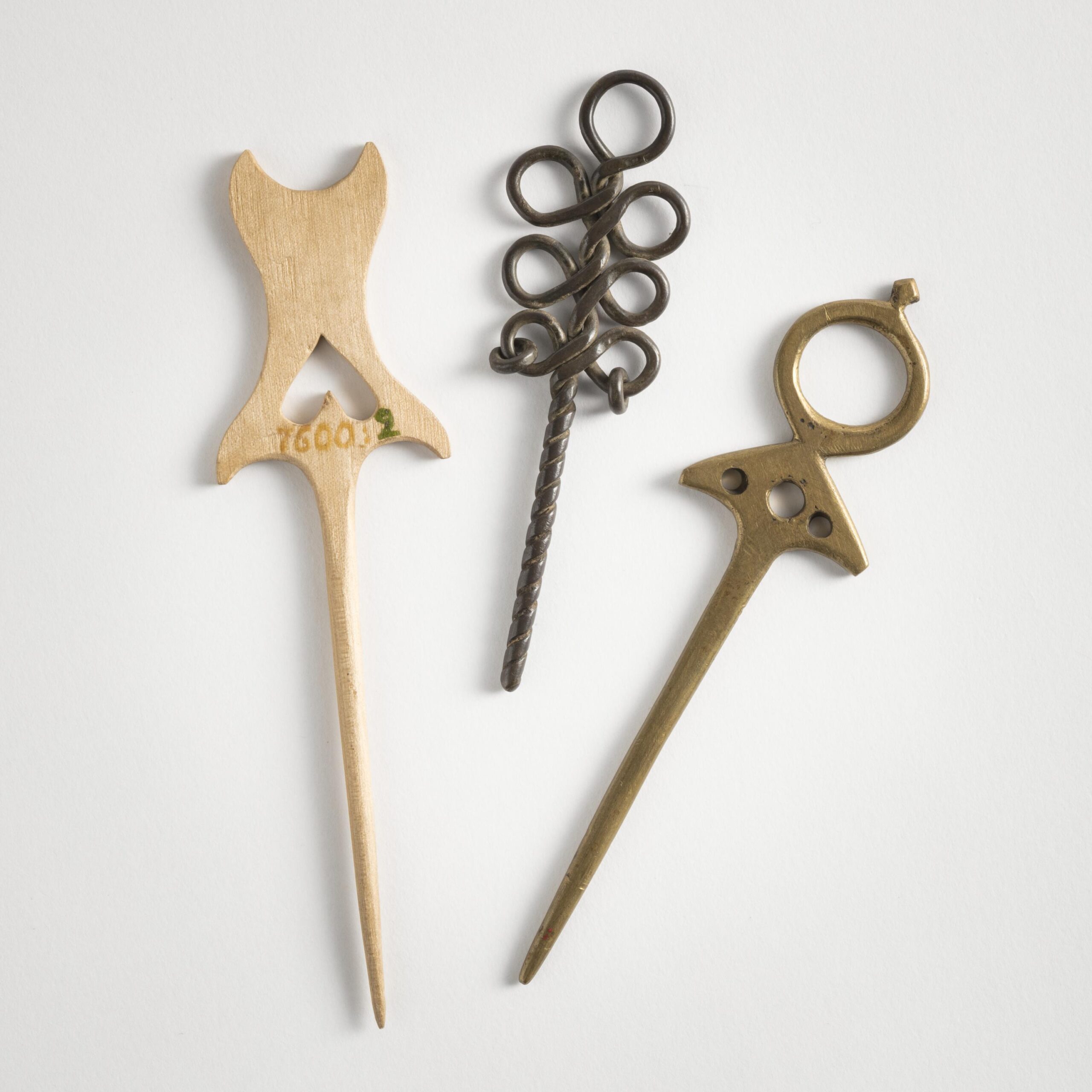
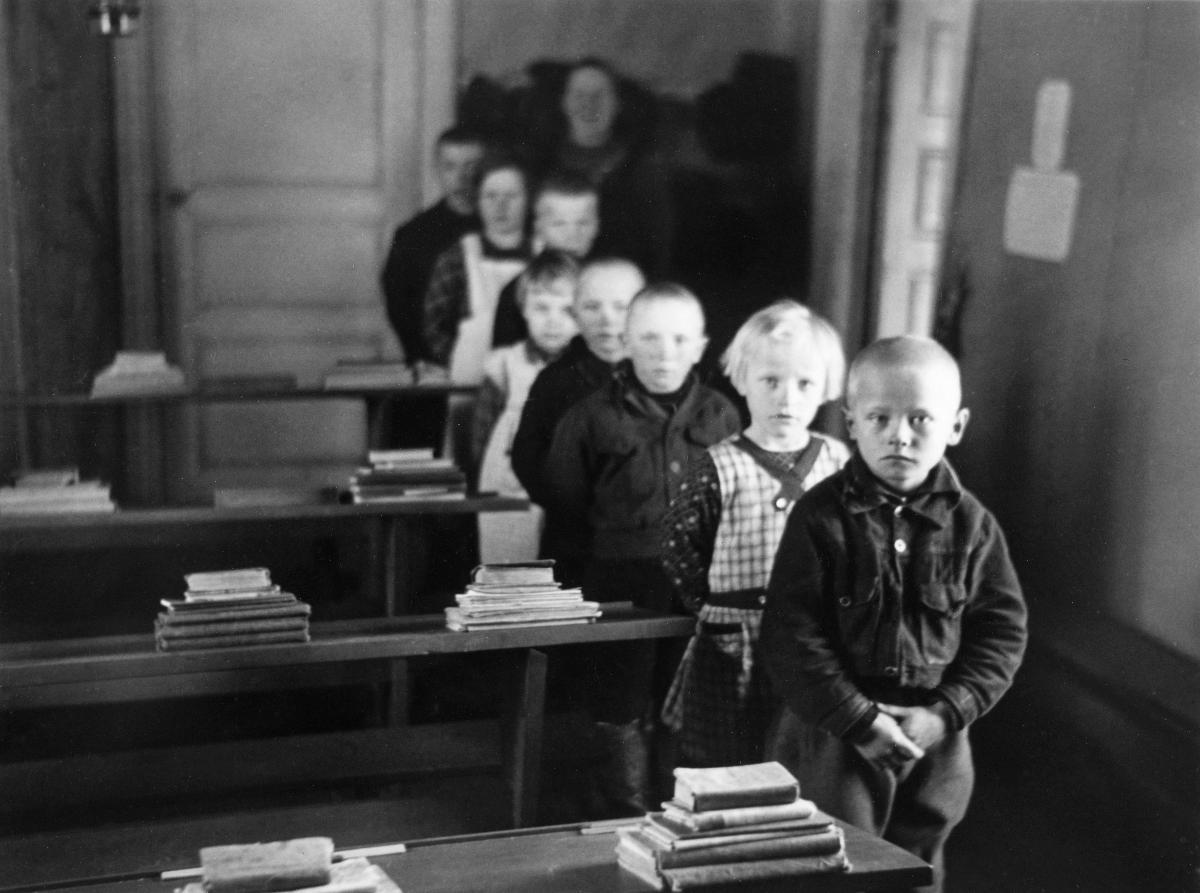
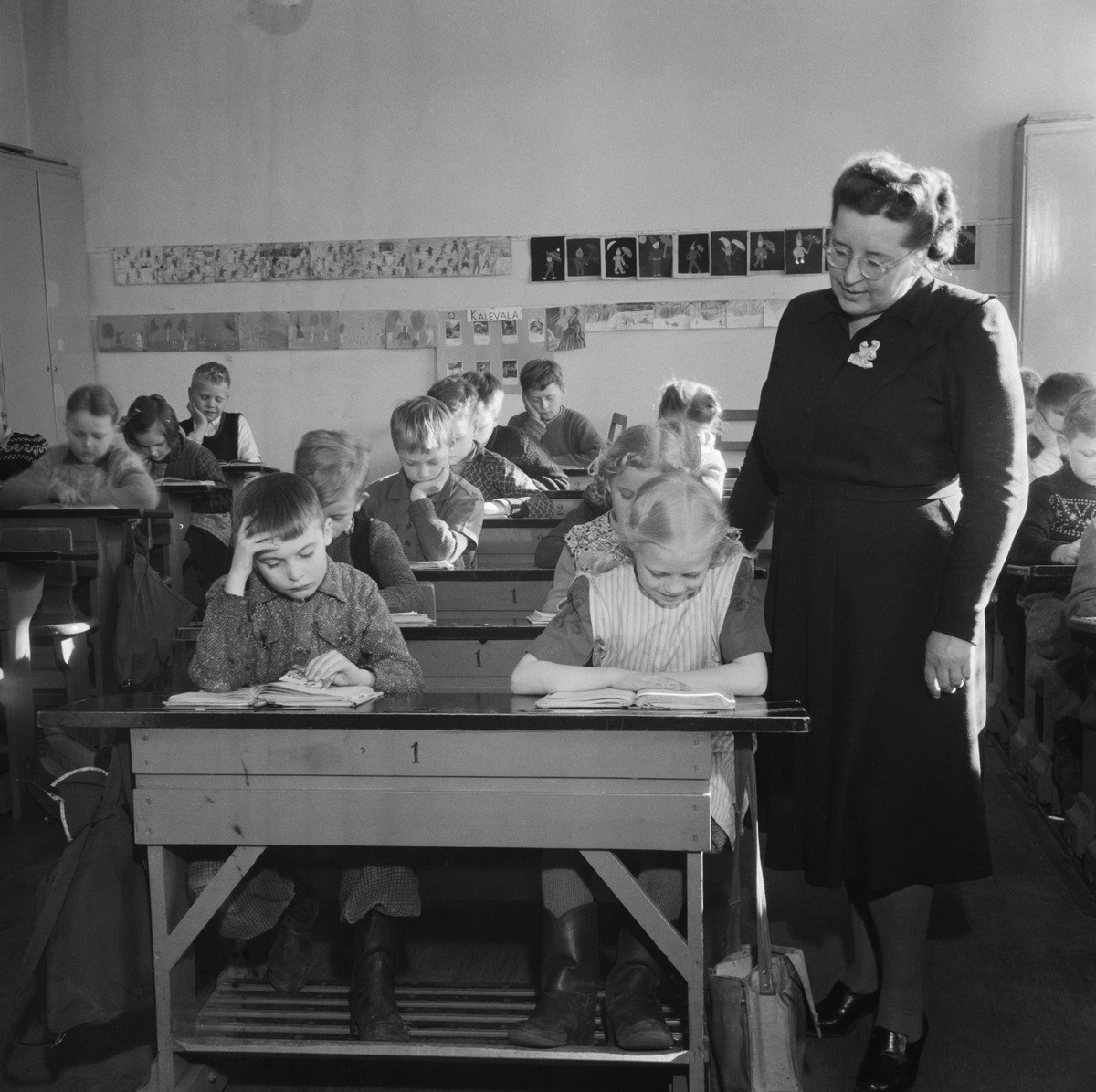
Photo 1: Three alphabet sticks. Photo Ilari Järvinen, Finnish Heritage Agency.
Photo 2: Catechist school students and teacher Lyydi Ovaskainen in a classroom in Salla in 1938. The catechist school was a circulating school teaching the basics of Christianity. Photo Uuno Peltoniemi, Ethnographic Picture Collection, The Finnish Heritage Agency’s photo collections
Photo 3: A teaching situation at the Aleksis Kiven koulu school in Helsinki in 1949. Photo UA Saarinen, Press Photo Archive, The Finnish Heritage Agency’s photo collections.
Becoming literate in the parish clerk’s lessons
In the late 1700s and early 1800s, public education in Finland was still not organised. People were taught mainly to read and know the Christian doctrine. Teaching was usually provided in parish clerk’s lessons, homes and confirmation classes, and supervised by church officials. Important textbooks were the catechism and the ABC book.
The children of the gentry and bourgeoisie had better chances than peasants and the poor to go to school, general upper secondary school and university. In the mid-1800s, 65% of secondary school graduates were children of the gentry and 15% of the urban bourgeoisie. Less than 10% of secondary school graduates were children of peasants and 10% of others. The doors of primary schools were first opened to girls by the 1843 school regulations. The first girl students were mostly from middle-class homes.
TIMO. I want to learn my ABC book.
JUHANI. That is what I want too, even if it feels and tastes like chewing on small stones and raw potatoes. And I will learn, because our dean is so good and merciful to us, that mercy comes to him. (Seitsemän veljestä, “The Brothers Seven”).
Circulating school, primary school, comprehensive school
Alongside the parish clerk’s lessons, the church began to organise a mobile circulating school in the mid-1800s. Teachers were hired to visit parish catechetical meetings and teach the local people for a few weeks at a time. The circulating school teachers mainly taught reading, arithmetic, writing and religion.
The 1866 decree transferred primary schools from the control of the church to the municipalities and towns. The establishing of primary schools was slow in rural areas, because it required money. It was also feared that schooling would make children lazy, teach them the ways of gentlemen and alienate them from agricultural work. Despite the 1921 Compulsory Education Act, it was not until the 1950s that a comprehensive primary school network was established in rural areas.
After fourth grade of primary school, a child could go on to secondary school, which consisted of five or six years of lower secondary school and three years of general upper secondary school. Secondary school was subject to a fee and not all families could afford it. In addition, there was not always a school near where you lived. As a result, Finland had two parallel school systems: some pupils continued to attend primary school after the fourth grade, while others went to secondary school.
The purpose of the comprehensive school reform was to create a single, integrated school system. Parliament passed the law on comprehensive school education at the turn of the 1960s and 1970s. The reform started in Lapland and Koillismaa in autumn 1972. In Helsinki, the transition to comprehensive school took place in 1977.
The knife-carrying thugs of Ostrobothnia were made literate, and even the most stubborn were pushed through confirmation classes. For Ostrobothnians, the learning started from the tip of the alphabet stick, which first wandered through the pages of books and then went around the world, first by spelling out words, then reading them and finally reciting them with confidence. And that is how you learned and became a priest and a schoolmaster, you just needed to have a good sense and understanding. (Härmän aukeilta)
Kerttuli Hoppa
Further information
Hakkarainen, Heidi 17.4.2023. Oppimisen ilo ja lukuhalu – lukemaan oppimisen historiaa(ulkoinen linkki). Blogikirjoitus, kulttuurihistoria, Turun yliopisto.
Himberg, Petra 26.8.2022. Kun peruskoulu avasi opintien kaikille, pelättiin, että sivistys laskee ”massatasolle”(ulkoinen linkki). Yle Elävä arkisto.
Kivi, Aleksis 2005. Seitsemän veljestä. Gummerus. Ensimmäinen painos vuodelta 1870.
Paulaharju, Samuli 1996. Härmän aukeilta. WSOY. Neljäs painos, ensimmäinen painos vuodelta 1932.
Ranta, Sirkka-Liisa 2012. Naisten työt. Pitkiä päiviä, arkisia askareita. Karisto.
Vahtola, Jouko 2003. Suomen historia jääkaudesta Euroopan unioniin. Otava.