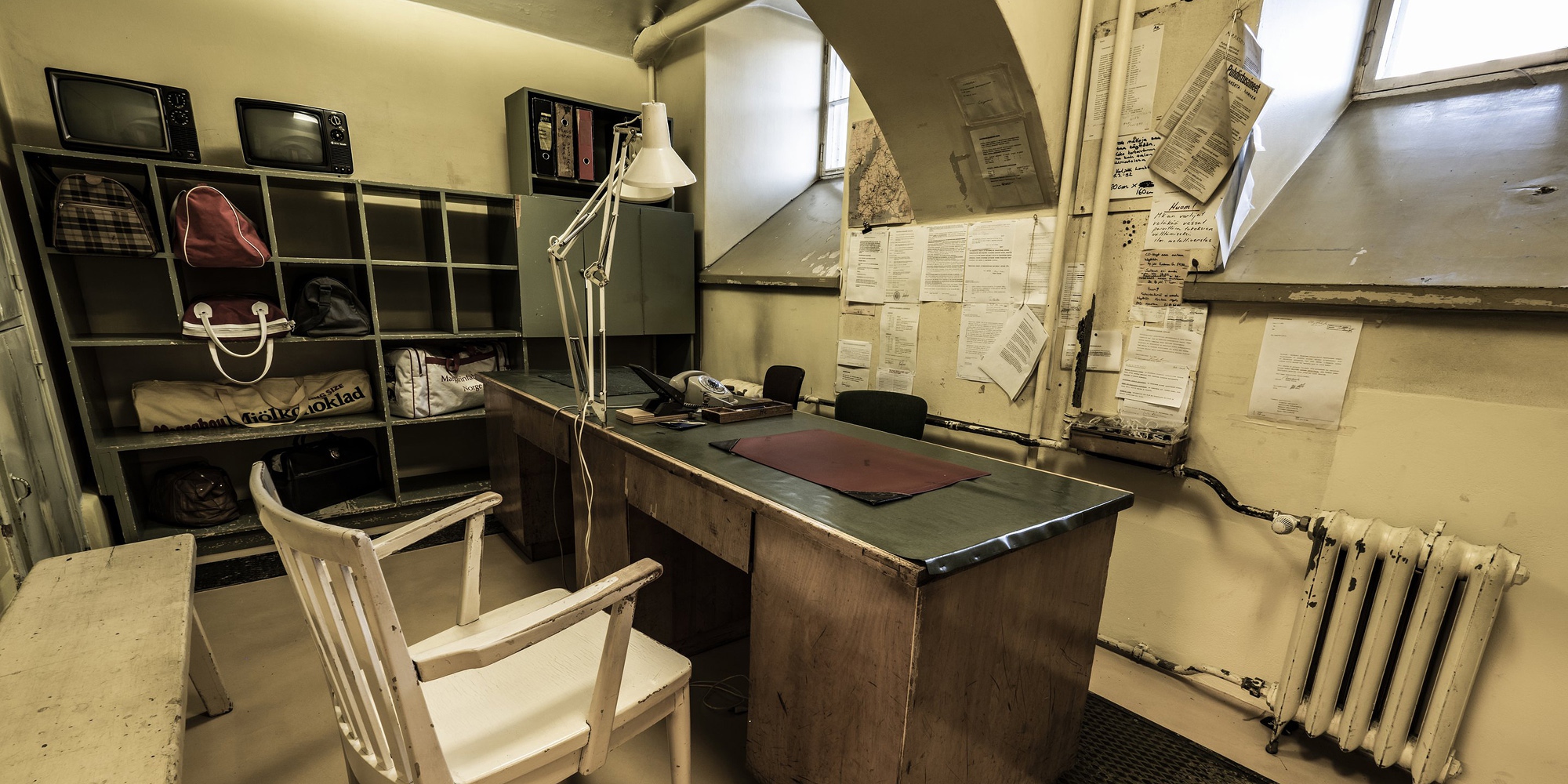
Completed in 1871, the Hämeenlinna County Prison remained in operation until 1993. After the prison ceased operations, the City of Hämeenlinna opened the building as the Prison Museum in 1997 and maintained it until 2015. As a public attraction of the National Museum of Finland, Finland’s first cell prison opened on May 2, 2019, under the name Vankila.
The city of Hämeenlinna is known as a prison and garrison town, and in Linnanniemi, these functions have been closely linked to Häme Castle, built as early as the Middle Ages. The castle also served as a prison from the 1830s until 1972, when the women’s prison housed there was moved out of the castle. The main castle opened as a museum in 1979.
The prison is a cell block designed by architect L.I. Lindqvist, which was Finland’s first cell-block prison. It was a modern facility for its time, featuring state-of-the-art heating, air conditioning, water, sanitation, and food service systems. The building has three floors plus a basement level. The three cell floors are connected to each other via a central corridor running through the entire building. Each floor has 22 barrel-vaulted cells. The area of a single cell is approximately 8 m².
The current prison has served as a men’s prison. Throughout the prison’s history, inmates serving their sentences at Hämeenlinna prisons have included Antti Isotalo. Among the most well-known female prisoners at Häme Castle are Elvi Sinervo, Hertta Kuusinen, and Maria Åkerblom.
The project to revamp the Prison exhibition
The goal has been to highlight the memories, stories, and experiences of those who have been part of the prison system—including inmates, guards, and others associated with the prison. A multidisciplinary team of scriptwriters has been working on the prison’s renovation. In addition to experts from the National Museum of Finland, the team has included former inmates, journalists, researchers, and artists. The project has involved collaboration with the Criminal Sanctions Agency, the Hämeenlinna City Museum, educational institutions, and other partners. The manuscript working group has included, among others, historian and non-fiction writer Sandra Hagman, author Jan Jalutsi, journalist Mari Lukkari, and HuK Gisela Schulz-Ala-Tala.
Today, the history and stories of the prison system and prison life live on in graffiti, artifacts, and cells worn down by time, where fundamental questions of humanity and a wide range of emotions come to the surface.
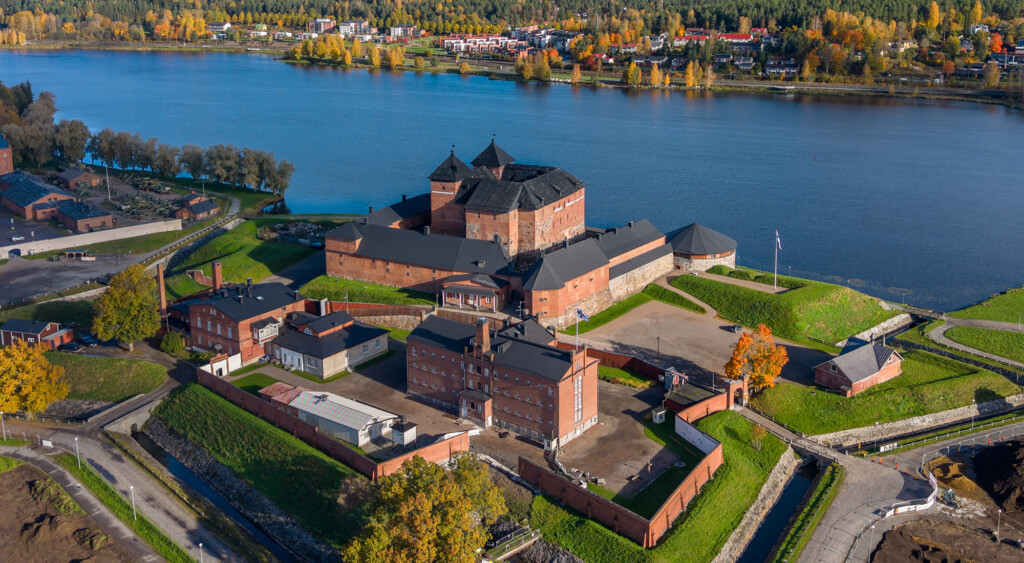
Prison history of the Castle peninsula
The history of Finnish prisons starts with the fortresses of the Swedish Crown, ‘thief cellars’ in cities and temporary shelters in the countryside. The 17th century saw the creation of county administration and, through it, the county prison system that was based on the earlier cells of the Crown. At that time, the crown cell located in the medieval Häme Castle was also turned into a crown prison, i.e. county prison. The county prison system laid the foundation for the later prison service.